

The Difference Between Vodka and Gin A Complete Comparison
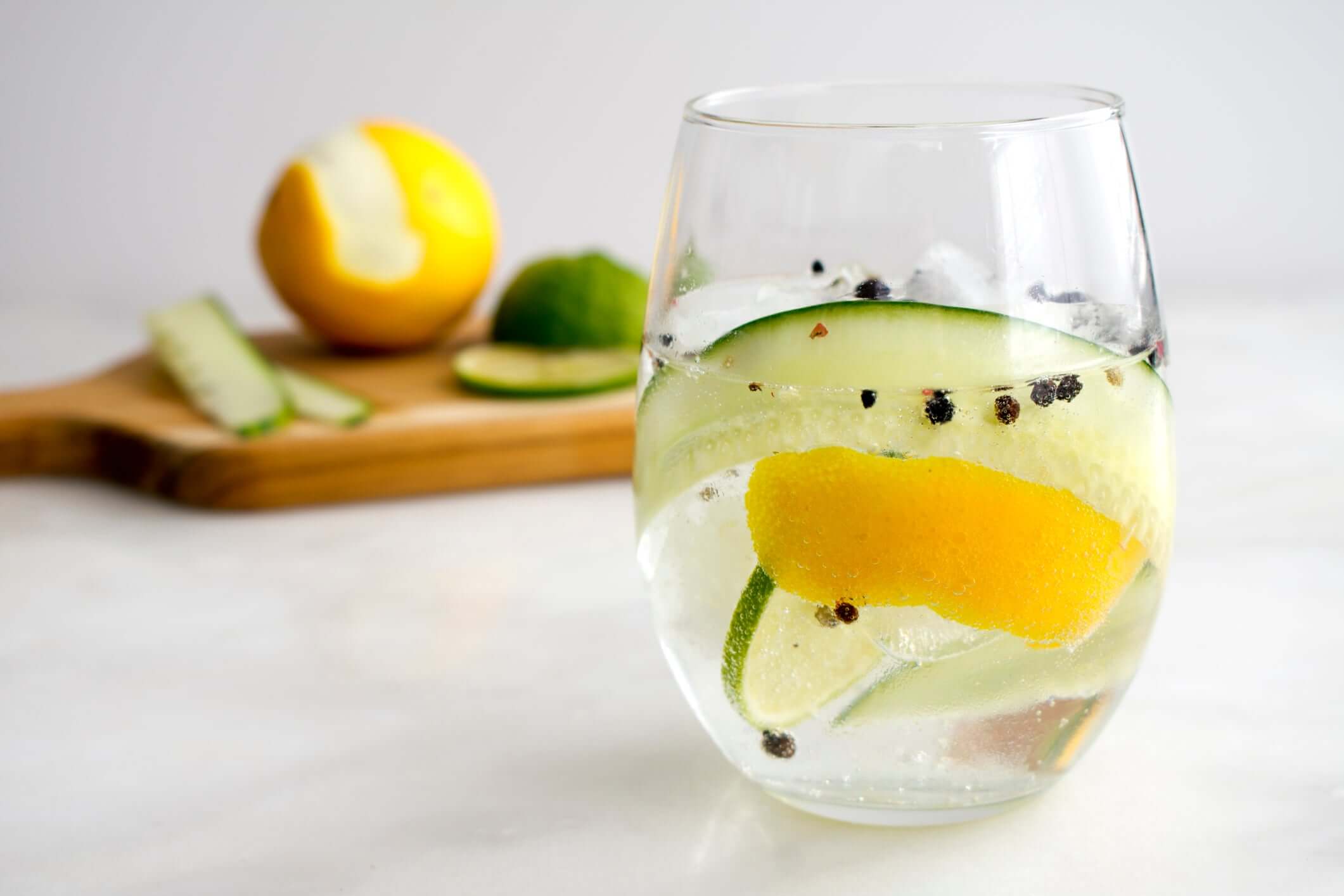
Vodka and gin are two of the most widely consumed spirits around the world. Whether you're at a bar, hosting a gathering, or enjoying a quiet night in, both of these drinks are often the base of classic cocktails. However, despite their popularity, many people are still unclear about the distinct differences between the two spirits. What makes vodka unique? How does gin differ from vodka? In this blog, we’ll dive into the differences between vodka and gin, explore their origins, production processes, and key characteristics, and help you understand which spirit suits your taste.
Whether you're a seasoned connoisseur or new to these drinks, knowing what sets vodka and gin apart can enrich your drinking experience. Plus, if you’re looking for a same day alcohol delivery, or to browse an alcohol shop online for your favorite bottle, you can explore a wide variety of vodkas and gins through ShopSK.
What is Vodka?
Vodka is often considered a neutral spirit due to its minimal flavor profile. It is distilled primarily from grains such as barley, wheat, or rye, and occasionally from potatoes or corn. The goal during the distillation process is to create a high-purity alcohol, resulting in a clear and colorless liquid. Once distilled, vodka is diluted to a specific strength usually 40% alcohol by volume (80 proof) and is generally free from added flavors. This neutrality is one of vodka’s key characteristics, making it highly versatile in cocktails.
Production Process of Vodka
Vodka’s production begins with the fermentation of grains or potatoes to produce alcohol. The liquid is then distilled multiple times, often up to seven or more times, to remove impurities and ensure purity. The result is a smooth, clean spirit with little to no distinctive taste. Some premium brands, such as Grey Goose, use high-quality grains and a meticulous distillation process to create ultra-smooth vodka that’s renowned for its quality.
Vodka is typically consumed straight, chilled, or used as a base in various cocktails. Popular vodka cocktails include the Screwdriver, Bloody Mary, and Moscow Mule. Vodka’s versatility in cocktails is one of the reasons it remains a favorite spirit worldwide.

What is Gin?
Gin, on the other hand, is a spirit that’s known for its distinctive flavor, which is primarily driven by the addition of botanicals. While vodka is distilled to be neutral, gin is infused with various herbs, spices, and fruit extracts that define its taste. The most important botanical used in gin is juniper berries, which give gin its signature pine-like flavor. Other common botanicals include coriander, angelica root, licorice, cardamom, and citrus peels such as orange and lemon zest.
Production Process of Gin
The production process of gin starts similarly to vodka, with the fermentation of grains such as barley or rye. However, after distillation, the alcohol is infused with a mixture of botanicals, which are either placed in the still during the second distillation or added in a separate infusion process. This second distillation is what imparts the complex flavors that gin is known for.
Gin can be produced in various styles, such as London Dry Gin, Old Tom Gin, and Plymouth Gin, each with its own flavor profile. While the United Kingdom, Netherlands, and the United States are the main producers of gin, each country’s gin has unique characteristics that differentiate it. The addition of botanicals can range from floral and citrusy to spicy and herbal, making gin a versatile spirit for cocktails like the Gin and Tonic, Martini, and Negroni.
Key Differences Between Vodka and Gin
-
Flavor Profile
-
Vodka: As a neutral spirit, vodka is known for its lack of flavor, making it incredibly versatile. While some vodkas may have subtle flavors, such as hints of vanilla, citrus, or pepper, they are not pronounced.
-
Gin: Gin is defined by its complex and often bold botanical flavors. The infusion of juniper berries and other herbs gives gin a distinctive taste, often described as piney, spicy, and sometimes floral or citrusy.
-
Distillation Process
-
Vodka: Vodka is distilled to a high proof, then diluted to a lower alcohol beer content to achieve a smooth, neutral flavor.
-
Gin: Gin is also distilled, but it is infused with botanicals during the process, which gives it a unique taste. The botanicals used can vary widely, which means no two gins are exactly the same.
-
Cultural Origins
-
Vodka: Vodka originated in Russia and Poland and has a long tradition in these countries. It is typically consumed straight or in cocktails, often served cold.
-
Gin: Gin traces its roots back to the Netherlands, where it was initially used for medicinal purposes. Today, gin is primarily associated with the United Kingdom, where it became popular in the 18th century.
-
Cocktail Use
-
Vodka: Because of its neutral flavor, vodka works well in a wide range of cocktails, from fruity drinks like the Cosmopolitan to savory concoctions like the Bloody Mary.
-
Gin: Gin’s unique flavor profile makes it the perfect choice for drinks like the Gin and Tonic, Martini, and Negroni, where the botanical flavors can shine through.
-
Alcohol Content
-
Vodka: Vodka typically has an alcohol by volume (ABV) of 40%, or 80 proof, making it a standard spirit for many cocktails.
-
Gin: Gin also has an ABV of around 40%, but the infusion of botanicals can make the drinking experience feel more complex than vodka.

FAQs
Is vodka or gin stronger?
Both vodka and gin generally have the same alcohol content, with an ABV of around 40%. However, vodka is known for its neutral taste, while gin's botanicals may give it a stronger and more distinctive flavor.
Can you drink vodka and gin together?
While it's not common to mix vodka and gin together in a single drink, there are cocktails that combine both spirits. For example, a Long Island Iced Tea often includes both vodka and gin along with other spirits.
Which is better for cocktails—vodka or gin?
It depends on your taste preferences. Vodka is neutral and versatile, making it great for fruity or savory cocktails. Gin, with its complex botanical flavors, is ideal for classic cocktails like the Gin and Tonic and Martini.
How should I store vodka and gin?
Both vodka and gin should be stored in a cool, dark place away from direct sunlight. Vodka can be stored at room temperature, while gin is best stored at a cool temperature to preserve its botanical flavors.
Where can I buy vodka and gin?
You can buy vodka and gin from an alcohol shop online or choose liquor store online delivery services for a convenient shopping experience. With same day alcohol delivery, you can have your favorite bottles delivered right to your doorstep.
Conclusion
While vodka and gin may seem similar at first glance due to their clear appearance and alcohol content, they are fundamentally different in terms of flavor, production, and history. Vodka is prized for its neutral, clean profile, while gin stands out for its aromatic complexity, thanks to the infusion of botanicals. Whether you prefer the subtlety of vodka or the bold, flavorful profile of gin, each spirit offers a unique experience.
Next time you’re in the mood for a cocktail, you can explore a wide variety of both spirits through ShopSK, your go-to liquor shop online for all your alcohol needs. With convenience, you’ll never have to wait long to enjoy your favorite drinks.


